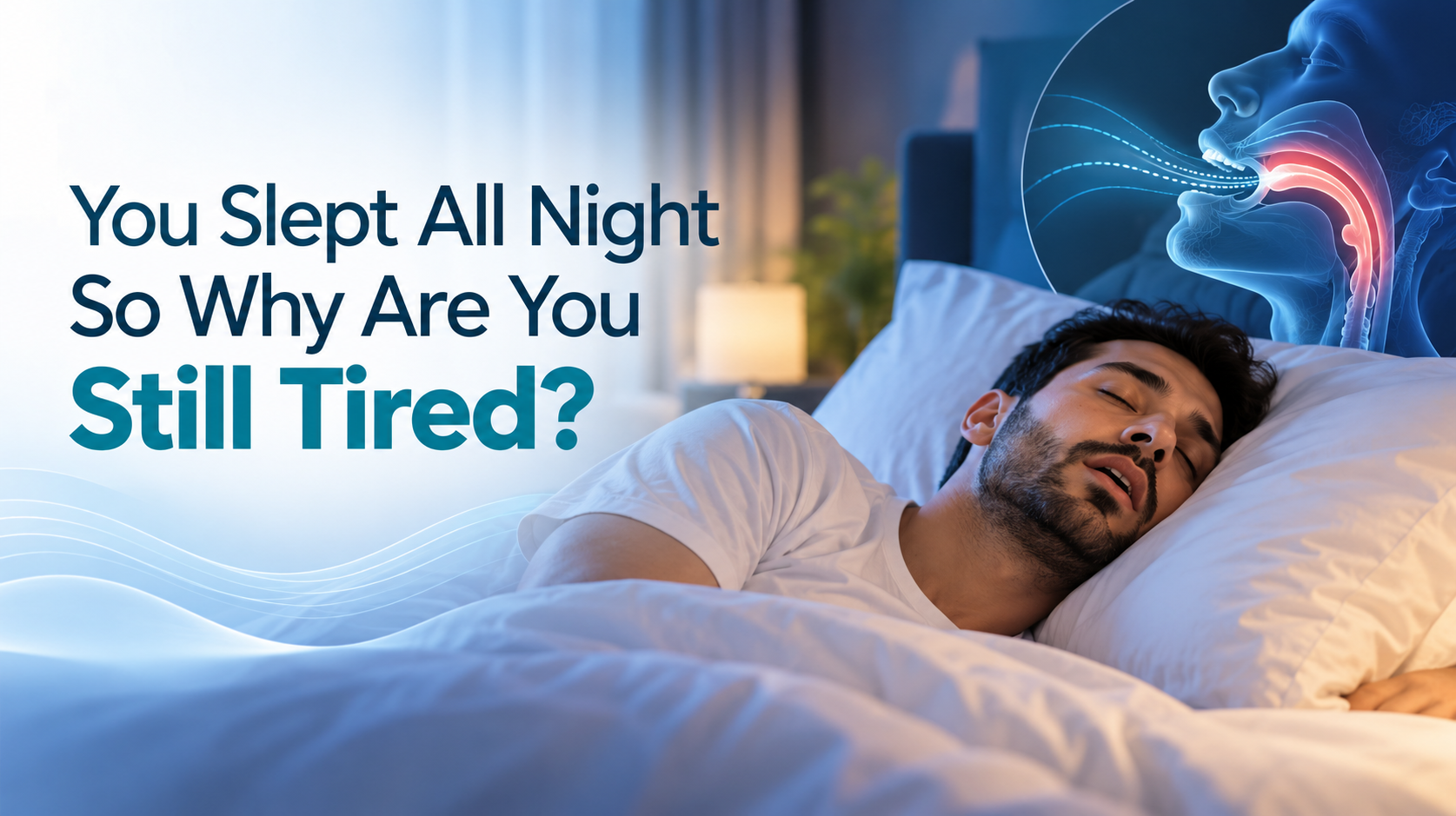
You Slept All Night
So Why Are You Still Tired
You went to bed on time and slept for seven
or eight hours. Yet when the alarm rings, you still feel as though you have not
slept enough. Your partner may complain about your snoring—or notice something
more worrying: you become quiet for a few moments, then suddenly gasp, choke or
take a deep breath.
You may not remember any of this in the
morning, but your body does. It could be obstructive sleep apnea (OSA), a
common sleep problem that can go unnoticed for years.What Happens While You
Sleep
What Happens While You Sleep
Imagine breathing through a soft tube. If
the tube repeatedly narrows or closes, air cannot pass through properly.
Something similar can happen with sleep apnea. When you fall asleep, the
muscles around your throat relax. In some people, the airway becomes too narrow
or temporarily closes. Breathing slows or stops, and oxygen levels may fall.
The brain senses the problem and briefly
wakes the body enough to breathe again. You then fall back asleep, and the
cycle may repeat many times during the night. You may think you slept
continuously, even though your body has repeatedly struggled to breathe.
Sometimes family members notice these pauses before you do, because you are
asleep when they happen.
Often, the person sleeping beside you is
the first to notice the warning signs: very loud snoring, sudden silence
followed by a gasp, restless sleep or repeated pauses in breathing. During the
day, you may wake feeling unrefreshed, have a morning headache or dry mouth,
struggle to concentrate, feel unusually irritable or become sleepy during
meetings, while watching television or while driving. Sometimes the complaint
is simply, “Doctor, I sleep enough, but I am always tired.”
Snoring is not always harmless, but not
everyone who snores has sleep apnea. Loud, regular snoring—especially with
breathing pauses or daytime sleepiness—deserves attention.
When it continues untreated, sleep apnea can be associated with high blood pressure, heart problems, abnormal heart rhythms, stroke and problems with blood sugar control. Sleepiness at the wrong time carries another danger. If you find yourself fighting sleep behind the wheel, take it seriously.
What If Your Sleep Could Be Checked in Your Own Bed
One reason people hesitate to investigate
their sleep is the thought: “Do I really need to spend a night in a hospital
connected to machines?”
At Naseem Surgical & Medical Center, we are introducing home sleep apnea testing. This allows selected patients to have their breathing assessed while sleeping in the comfort of their own home.
We use the Nox T3 portable sleep monitoring
system, a small device that records important information during sleep,
including breathing patterns, oxygen levels, heart rate, snoring and sleeping
position.
You take the device home, wear the sensors as instructed and sleep in your usual bed and surroundings. The following day, the recording can be reviewed by a doctor for evidence of sleep apnea and to assess its severity. Home sleep testing is not the right investigation for every sleep problem, so a medical evaluation is important to decide whether it is suitable for you.
Listen to What Your Sleep Is Telling You
We often pay attention when our body gives
us symptoms during the day. Perhaps we should pay the same attention to what
happens at night.
If you snore loudly, wake up choking, have
witnessed pauses in breathing, wake feeling exhausted despite enough hours of
sleep or struggle to stay awake during the day, consider discussing your sleep
with your doctor. Sometimes the most important question is not “How many hours
did you sleep?” It is “How well did you breathe while you were sleeping?”
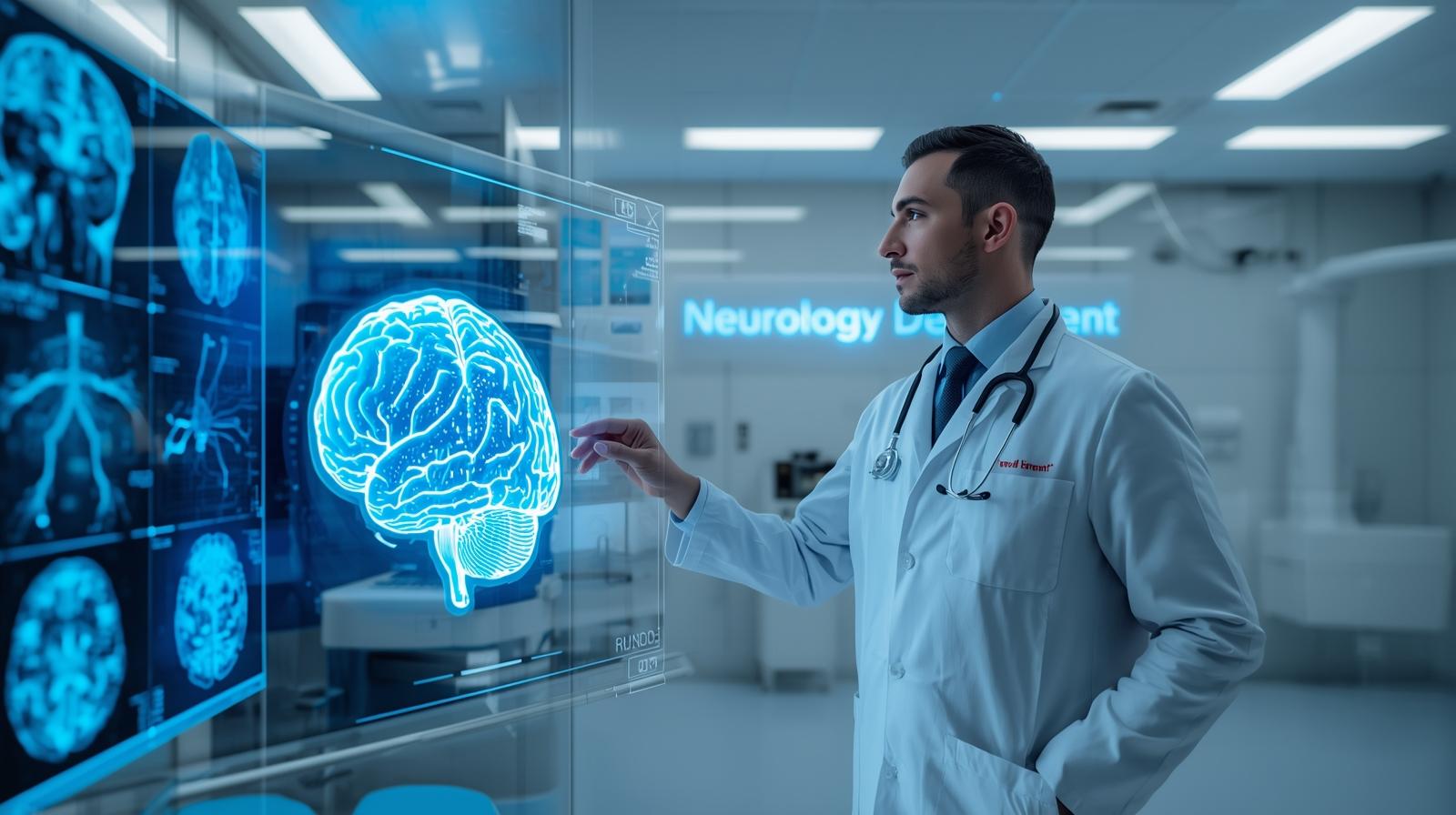
The Neurology Department plays a vital role in diagnosing, treating, and managing disorders of the brain, spinal cord, and nervous system. With rapid advancements in medical science, neurological care has evolved beyond traditional methods, offering patients effective solutions for conditions like headache, migraine, epilepsy, stroke, memory loss, vertigo, nerve disorder, Parkinson’s disease, dizziness, seizure, and nerve pain.
See More
Understanding The Impact: Viral Hepatitis Casts A Long Shadow Over The Health Of Individuals And Communities Worldwide. With Over 325 Million People Affected And Over A Million Deaths Annually, It Stands As A Formidable Global Health Challenge. The Implications Of Chronic Infections, Such As Liver Damage, Cirrhosis, And Liver Cancer, Only Underscore The Urgency To Address This Often-Overlooked Health Threat.
See More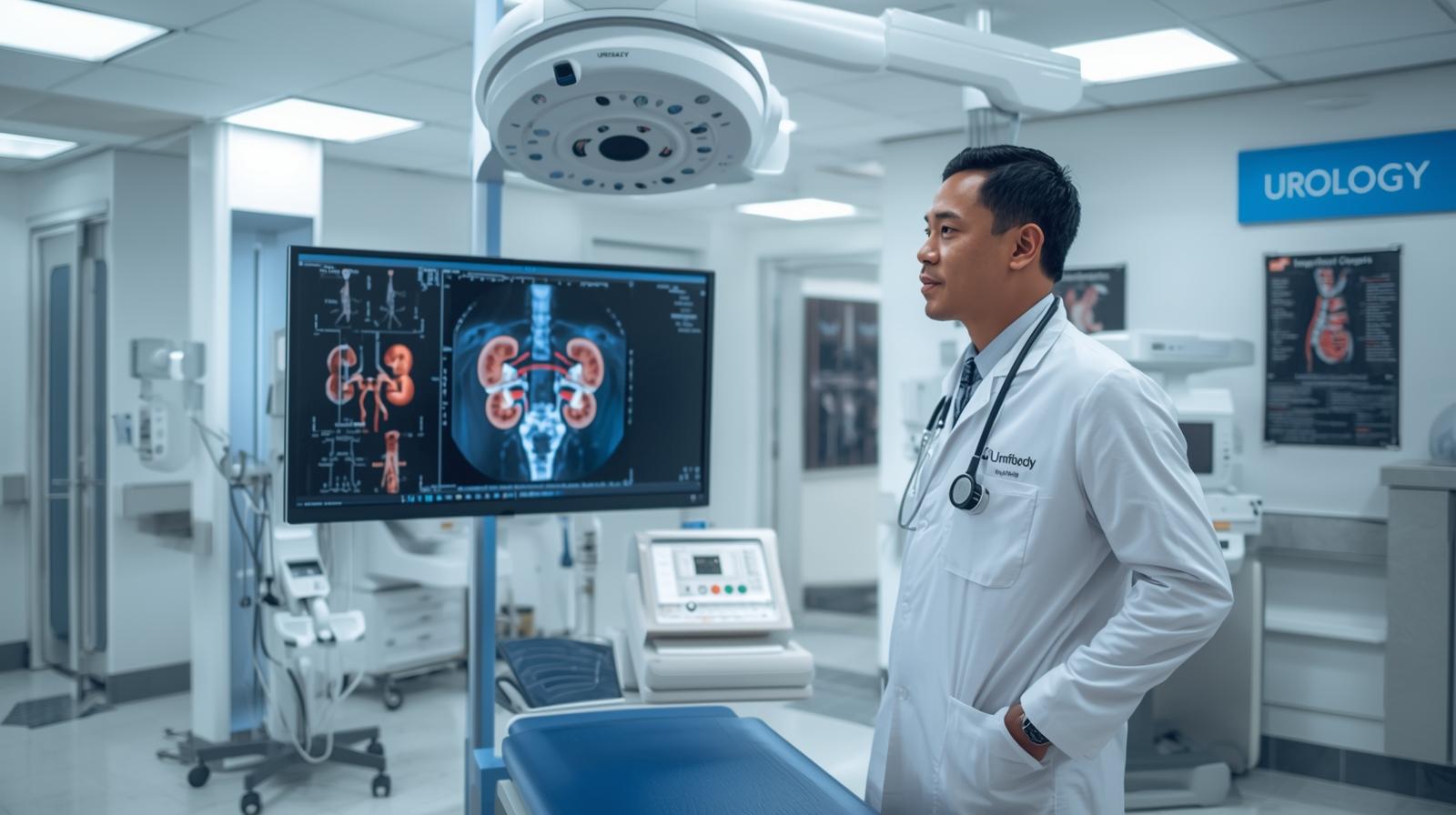
The Urology Department at our medical centre is dedicated to diagnosing and treating disorders related to the urinary system and male reproductive health. With advanced medical technology, experienced urologists, and a patient-first approach, we offer expert care for conditions affecting the kidney, bladder, ureter, urethra, and prostate, as well as issues related to male fertility and sexual health.
See More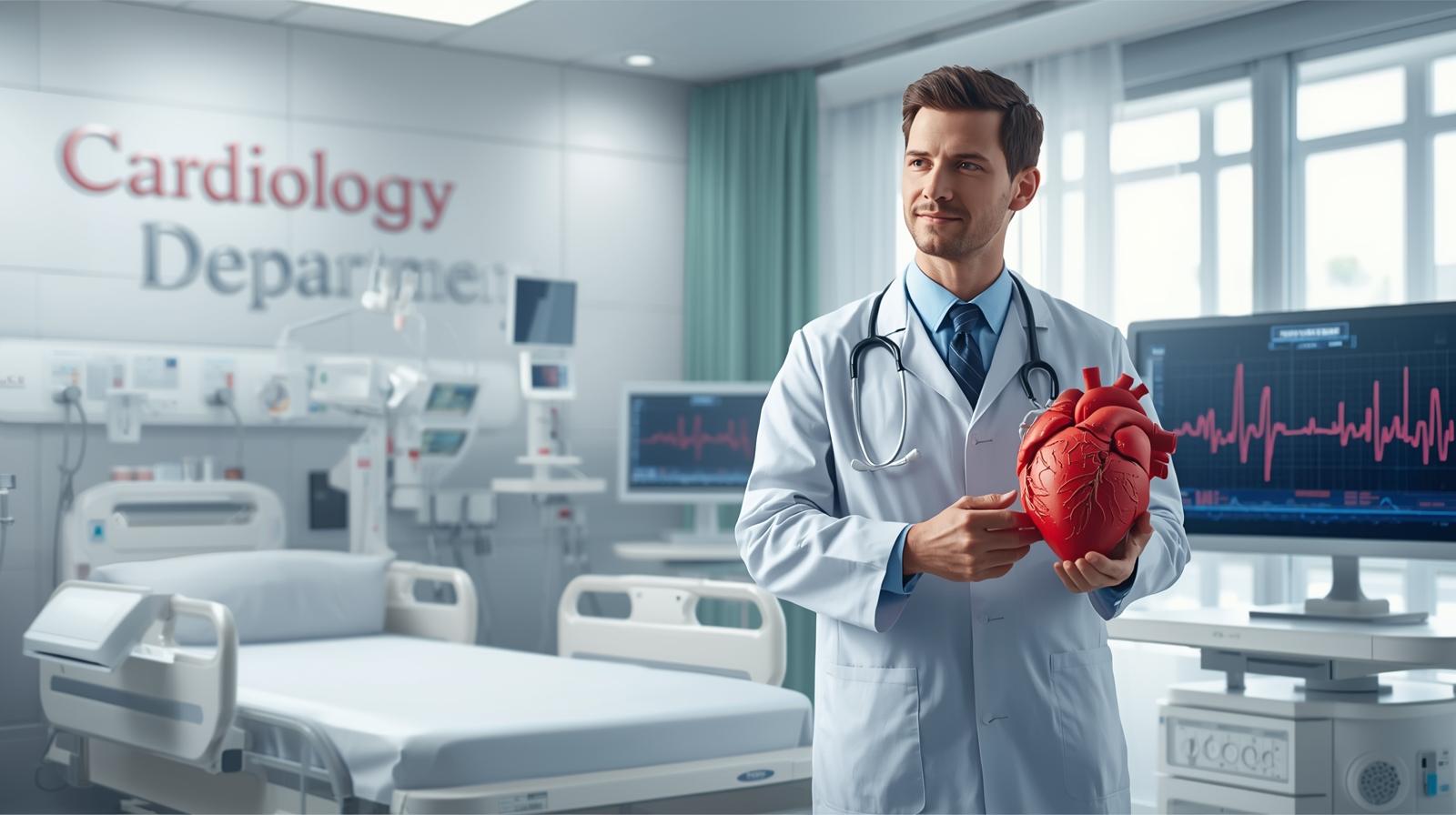
Your heart is at the core of everything you do — from breathing and moving to feeling and living life fully. At our Cardiology Department, we are committed to protecting and strengthening your cardiac health with world-class expertise, cutting-edge technology, and compassionate care. Whether you're here for a routine heart checkup or specialized treatment for complex heart diseases, our team ensures comprehensive and personalized care.
See More
Every year on June 8th, the world observes World Brain Tumor Day to raise awareness about brain tumors, honor the lives of those affected by this condition, and support ongoing research and advancements in treatment. This day provides an opportunity for individuals, organizations, and communities worldwide to come together and unite in the fight against brain tumors. In this blog, we will explore the significance of World Brain Tumor Day, shed light on brain tumors, and discuss the importance of raising awareness and promoting hope for those affected.
See More
Sudden cardiac death (SCD) is an unexpected death from cardiac cause occurring in a short time period (generally within one hour of symptom onset) in a person with known or unknown cardiac disease.
See More